Our Services
Residual Fertility Tax Deductions
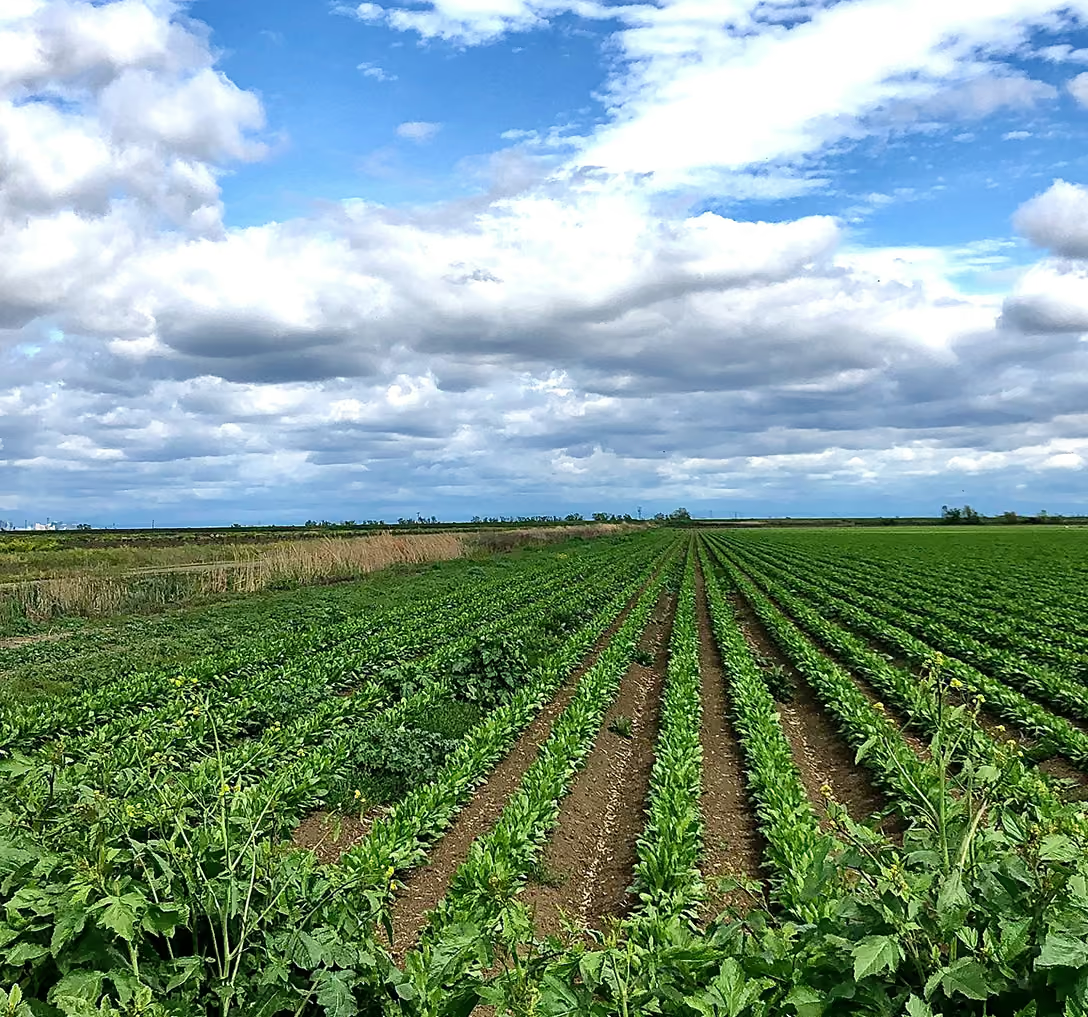
The fertility already in your soil may represent significant tax value. If you’ve recently purchased farmland, we help document that value and give you the information needed to pursue the residual fertility tax deduction.

What Is Residual Fertility?
Your soil may hold tax value
What would a $1,800-per-acre tax deduction mean for you? Just as farmers deduct the value of tangible assets like fencing, buildings, or drainage tile, farmland holds another often-overlooked asset: existing soil fertility. When land is purchased or inherited, nutrients like calcium, zinc, manganese, and copper are frequently already present from prior management, and that residual fertility carries measurable monetary value. These deductions have been around for a long time. Only in recent years have many CPAs and landowners begun to fully recognize the opportunity.

WHO IT'S FOR
This deduction may be for you if:
- You purchased or inherited land in agricultural production
- The land was managed in a way that produced excess fertility
- You could benefit from an average deduction of $1,800 per acre
So how does this work?
Assessment & Onboarding
We review your property history and acquisition details with you to establish the best way forward.
Soil Data Collection
We gather all necessary soil data, including samples pulled on a 10-acre grid across your property.
Soil Data Analysis
Our agronomists quantify the nutrients and establish defensible fertility valuations.
Fertility Valuation Report
You receive a clear, organized valuation report built for your CPA or tax advisor to work from.
This is a real, longstanding tax provision. Done properly, with sound agronomy and thorough documentation, it can be well supported. We make sure the work is done the right way.
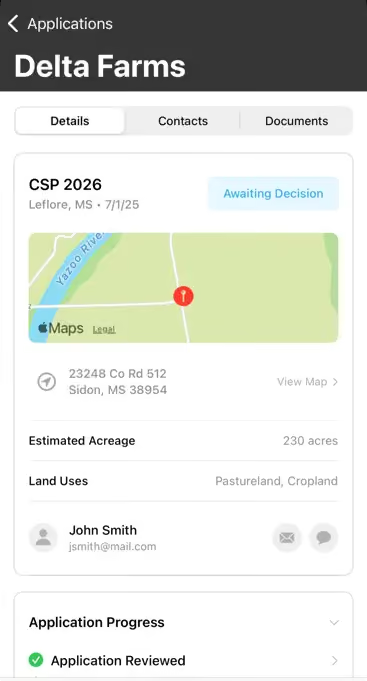
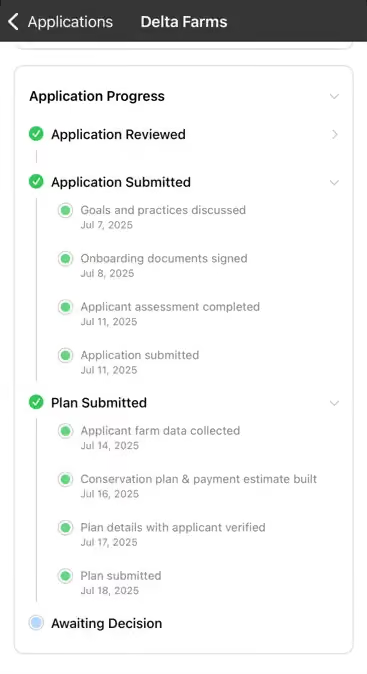
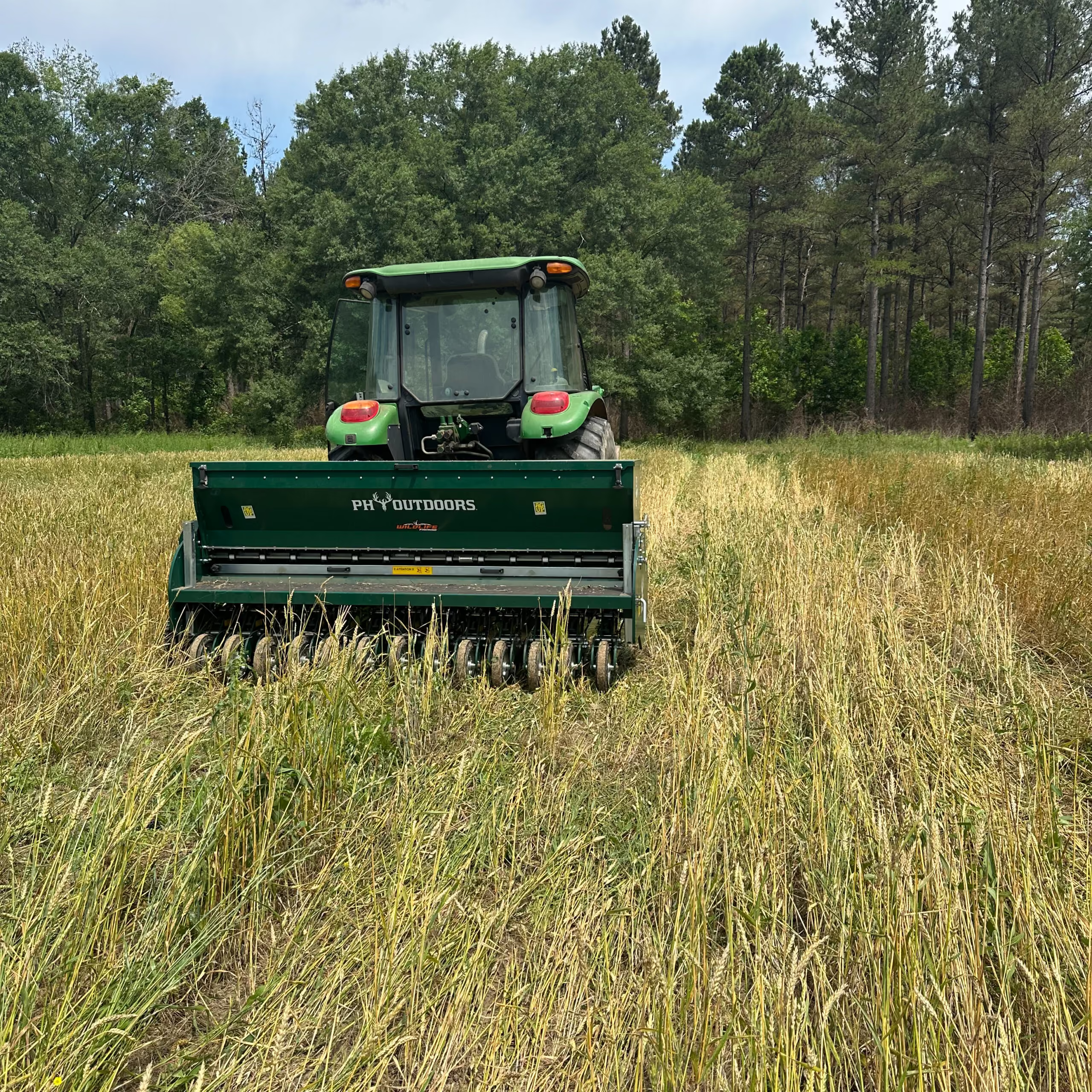
What funded work looks like


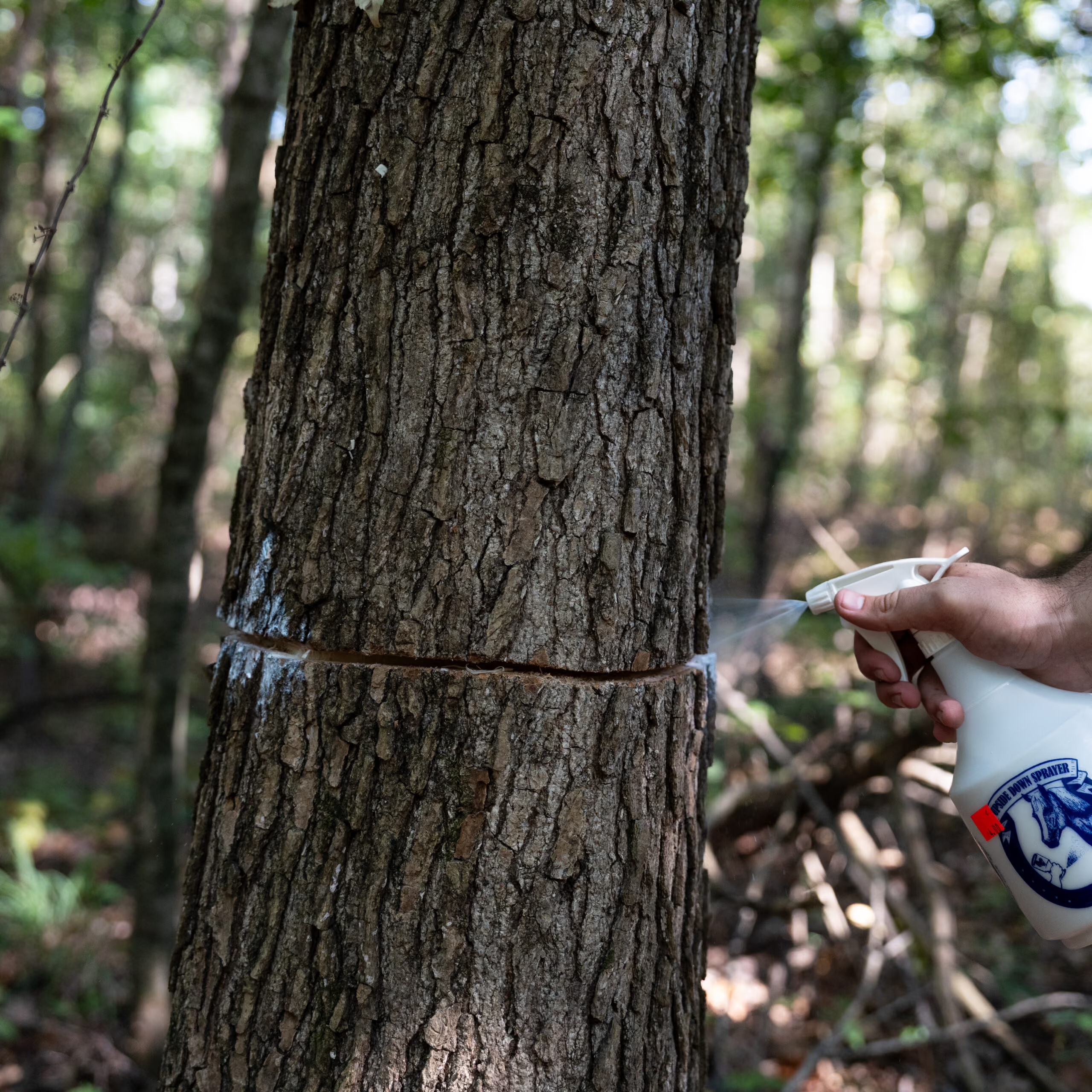

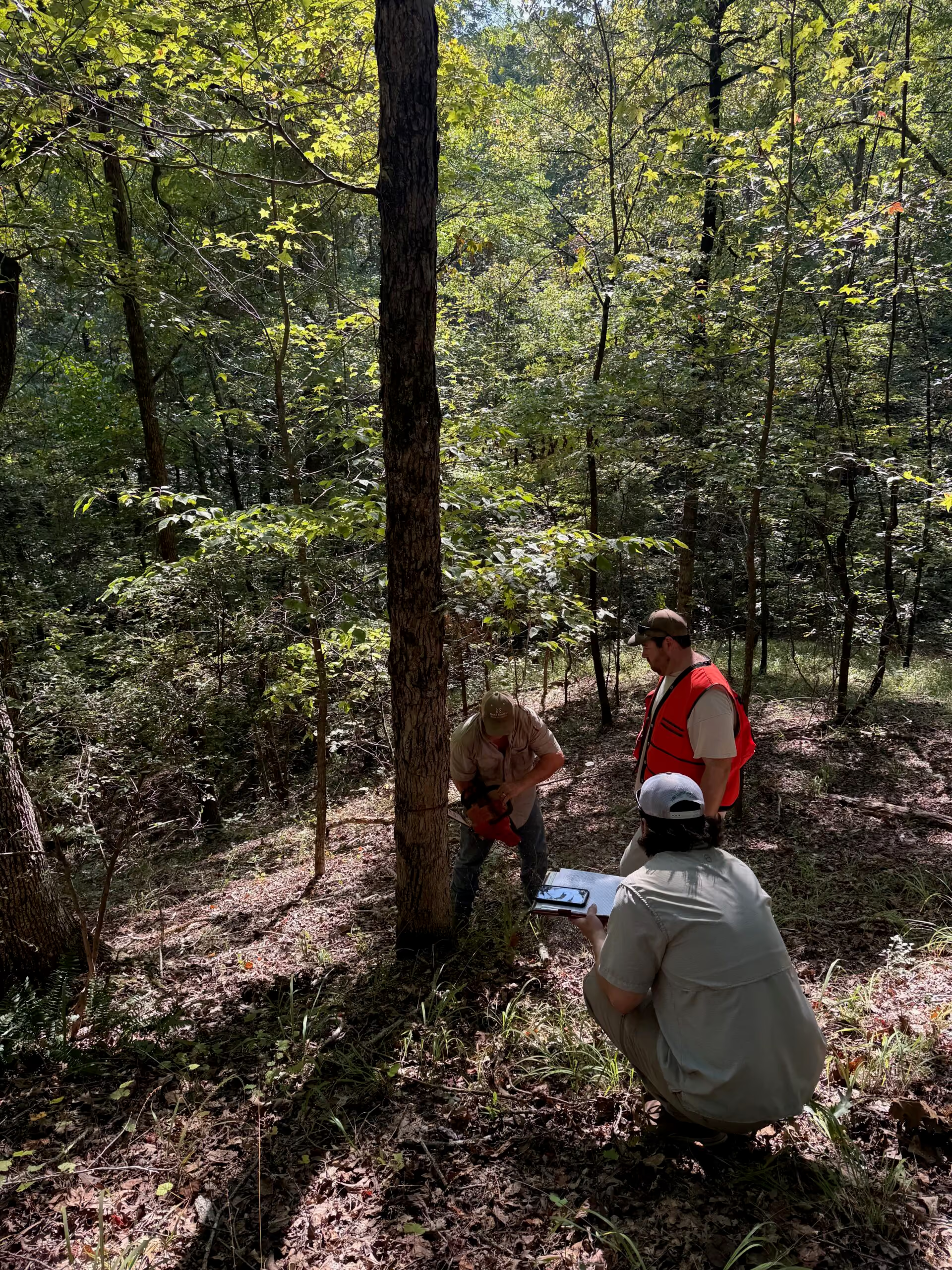
How the Deduction Works
From soil sample to tax savings
The deduction rewards documentation. Every step below exists to make yours airtight.
What It Can Mean
- Reduce taxable income
- Improve cash flow after a purchase or transition
- Capture value from prior stewardship and fertilizer investments
- Complement long-term conservation goals
Are You Eligible?
Purchased or inherited land in agricultural production, managed in a way that produced excess fertility. The only way to know is to look.
What We Deliver
Accuracy, defensibility, and clarity: a valuation report your tax professional has everything they need to work from.
Worth Exploring
Not every property or landowner qualifies. The only way to know is to take a closer look.
WORKING ALONGSIDE YOUR CPA
We do the agronomy. Your CPA does the taxes.
Steward Link does not provide tax advice or file tax returns. We work in coordination with your CPA or tax professional, supplying the technical analysis and documentation needed to evaluate and support a residual fertility deduction.
CPAs and tax advisors seeking consultation with our tax attorney or an opinion letter related to this deduction are encouraged to contact us for support.
Your CPA ultimately determines:
- Whether the deduction applies to your tax situation
- How it is claimed
- When it is applied
The question isn't if your property qualifies for funding. It's what programs your property qualifies for.
why steward link
Agronomy, Expertise, and Experience
- Deep experience with conservation programs and agencies
- A landowner-first approach built around your goals
- Experts for every land use: agronomists, foresters, biologists, soil scientists
- Clear communication and a transparent process
- End-to-end support, from planning to practice on the ground